How Variations in Blackjack Payout Structures Interact with Promotional Credits on Handheld Devices
Yara Beck · Aug 24, 2026
How Variations in Blackjack Payout Structures Interact with Promotional Credits on Handheld Devices
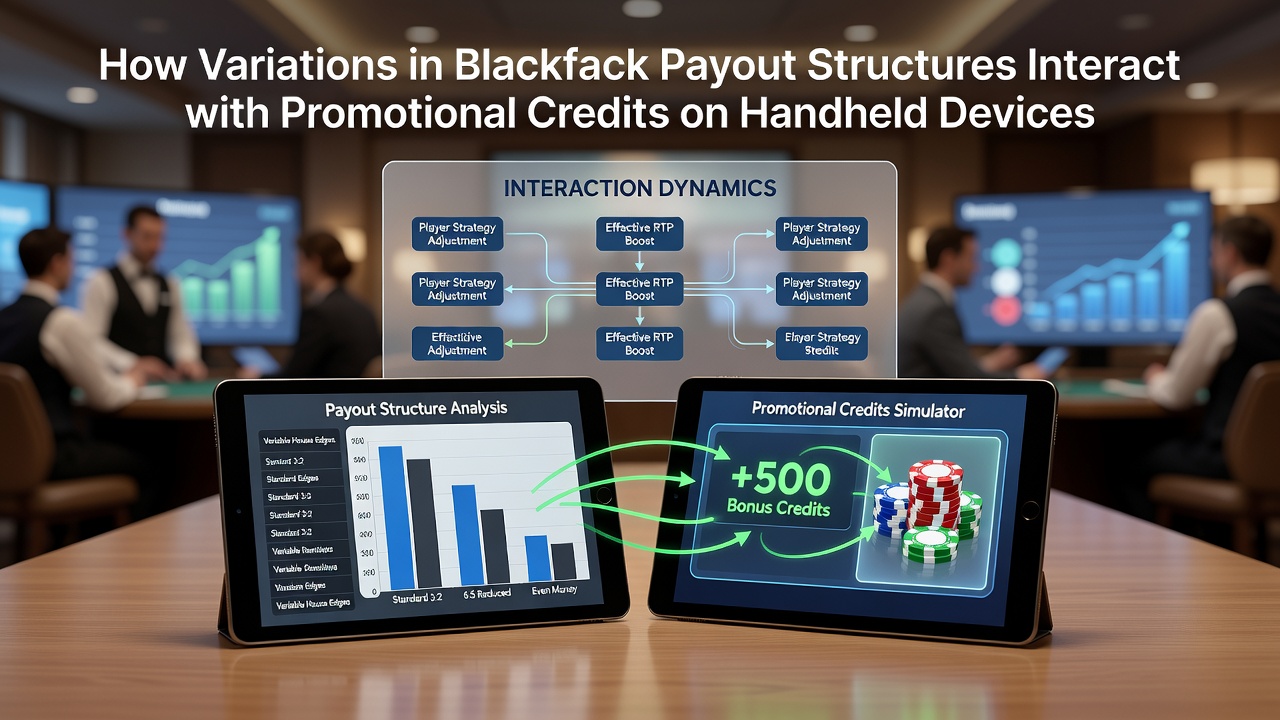
Blackjack payout structures vary widely across handheld platforms, and these differences shape how promotional credits function during actual play. Standard tables still pay 3:2 on natural blackjacks at many regulated sites, yet several operators now default to 6:5 payouts on mobile apps to adjust house edge calculations. Promotional credits, whether issued as deposit matches or risk-free hands, interact directly with these ratios because the credit value gets applied against the final payout multiplier.
Operators track this interaction through real-time algorithms that adjust effective bet values once credits enter the session. Data from the Nevada Gaming Control Board shows that mobile blackjack sessions using 6:5 tables convert promotional credits at a lower net return rate than 3:2 tables when the same credit amount applies. Players receive the credit in their balance, yet the reduced payout multiplier limits how far that credit stretches across multiple hands.
Core Differences in Payout Structures
Traditional 3:2 payouts return 1.5 times the original wager on a natural blackjack, whereas 6:5 structures return only 1.2 times. Some handheld applications introduce tiered bonuses such as 2:1 on suited blackjacks or progressive side bets that pay out at varying odds. These layered structures require the platform to recalculate promotional credit usage on every hand because the credit may cover the base bet while the bonus multiplier applies only to the original stake.
Research indicates that platforms using multiple payout tiers often segment promotional credits into separate buckets, one for base play and another for bonus rounds. This separation prevents credits from automatically scaling with higher multipliers and keeps the house edge stable across different device sessions.
Promotional Credit Mechanics on Mobile
Handheld devices deliver promotional credits through push notifications or in-app wallets that activate instantly upon login. Credits appear as either cashable or non-cashable balances, and operators apply distinct rules depending on teh payout structure active at the table. Non-cashable credits typically must be wagered through before any withdrawal processes begin, and the required playthrough multiples shift when the table moves from 3:2 to 6:5 payouts.
Figures from the Alcohol and Gaming Commission of Ontario reveal that sessions on 6:5 tables consume non-cashable credits faster because each winning hand contributes less to the required wagering total. Players who switch between tables mid-session therefore encounter different credit depletion rates depending on which payout structure they select.
Interaction Patterns Observed in August 2026
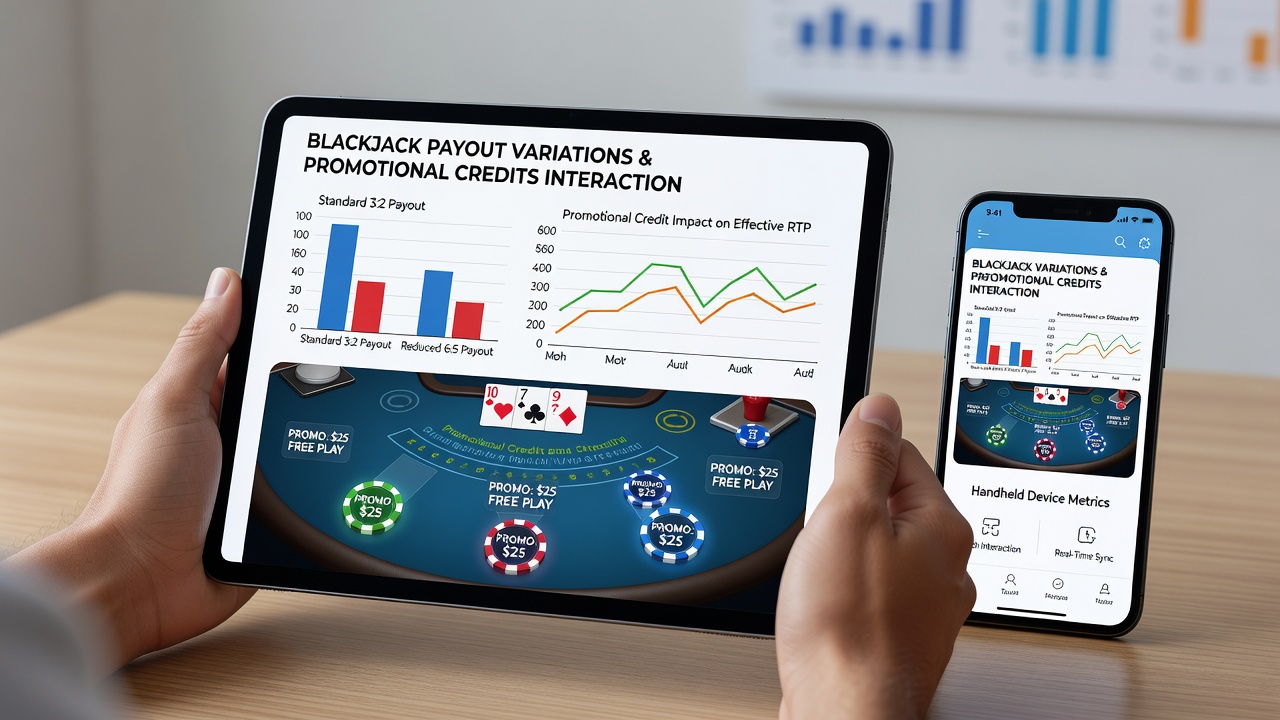
During August 2026 several major platforms updated their mobile engines to flag payout structure changes before credits activate. The update introduced a brief on-screen notice that lists the current table multiplier and the projected credit consumption rate for the next 50 hands. Observers note that this transparency reduced disputes because users could now see how a 6:5 table would stretch their promotional balance compared with a 3:2 table.
Platform logs collected that month also showed increased table-switching behavior once players understood the interaction. Users who started on 6:5 tables moved to 3:2 tables after the first credit depletion cycle, thereby extending overall playtime before the promotional balance reached zero. Regulatory summaries from the same period confirm that these patterns remained within permitted variance limits set by state and provincial authorities.
Calculation Examples Across Devices
Consider a $50 promotional credit applied at a 3:2 table with a $10 minimum bet: each natural blackjack returns $15 while the credit covers the initial stake. The same credit at a 6:5 table returns only $12 on an identical natural, so the credit lasts fewer hands before additional deposits become necessary. Handheld software displays these projected outcomes through in-game calculators that update dynamically when the player changes tables.
Additional side bets such as insurance or perfect pairs introduce further variables because their payout ratios rarely align with the main hand structure. Credits assigned exclusively to side bets follow separate multipliers, and operators must maintain distinct tracking ledgers to comply with audit requirements across jurisdictions.
Conclusion
Variations in blackjack payout structures directly determine how promotional credits translate into playable value on handheld devices. Regulated operators adjust credit mechanics and display tools to maintain compliance while giving users clear information about multiplier effects. Continued monitoring by gaming authorities ensures these interactions stay transparent and consistent across mobile platforms.