Analyzing How Payment Security Protocols Affect Bonus Utilization in Mobile Live Dealer Sessions
Mara Krause · Aug 26, 2026
Analyzing How Payment Security Protocols Affect Bonus Utilization in Mobile Live Dealer Sessions
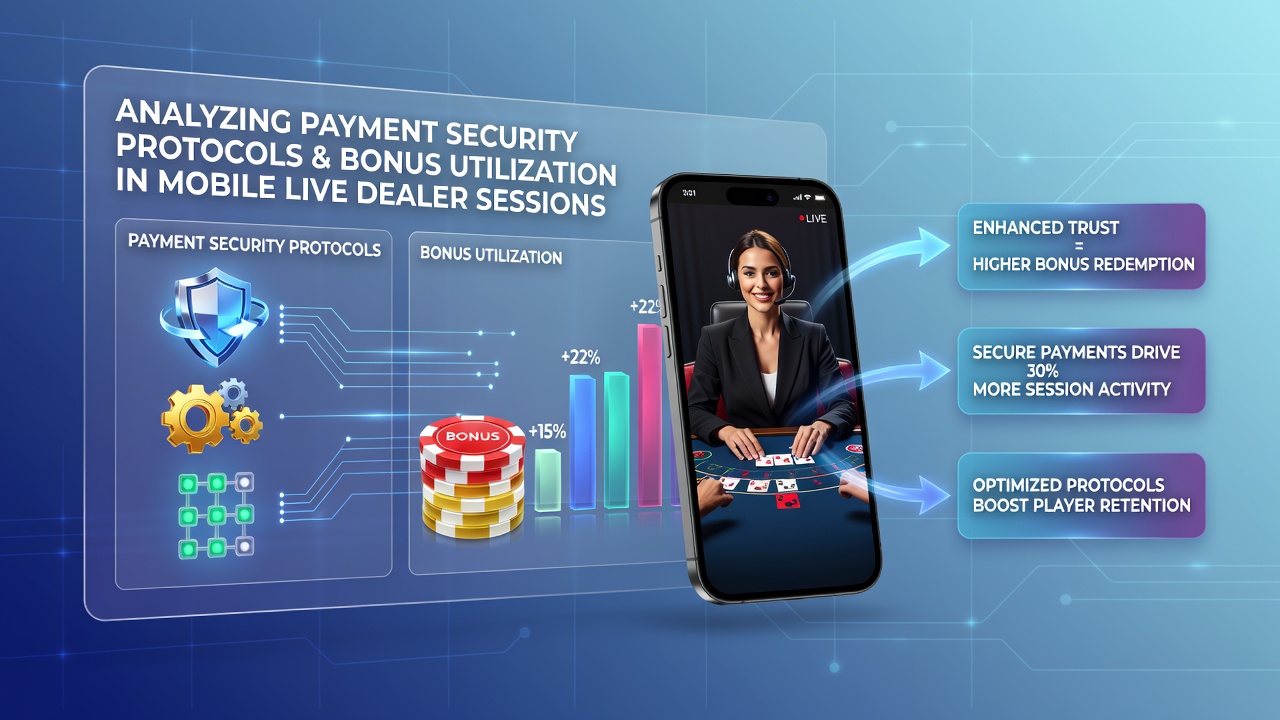
Payment security protocols shape how players access and apply promotional credits during mobile live dealer sessions, where real-time interactions with dealers occur through encrypted connections on handheld devices. These protocols include tokenization, multi-factor authentication, and end-to-end encryption, which process transactions while meeting standards set by financial networks and regulatory bodies. In August 2026 industry reports highlighted increased adoption of biometric verification layers in mobile platforms, which extended initial authorization times for bonus-funded bets in games such as roulette and baccarat.
Core Security Mechanisms in Mobile Transactions
Tokenization replaces sensitive card details with unique identifiers that reduce exposure during live dealer sessions, yet this step requires additional server handshakes that delay bonus credit activation by several seconds on average. Encryption standards such as TLS 1.3 protect data streams between player devices and casino servers, while 3D Secure 2.0 adds risk-based authentication that flags certain bonus claims for manual review. Researchers at the University of Sydney documented how these layered checks create bottlenecks when promotional balances trigger velocity limits designed to prevent fraud.
Live dealer environments demand low-latency connections because any interruption in payment authorization interrupts gameplay flow, and security protocols must balance speed with compliance. Data from the American Gaming Association indicates that platforms using advanced device fingerprinting saw a 14 percent drop in successful bonus redemptions during peak evening hours in 2026, primarily because authentication challenges interrupted session continuity.
Interaction Between Protocols and Bonus Mechanics
Bonus utilization in mobile live dealer sessions often depends on instant deposit confirmation, yet security protocols can impose temporary holds that prevent immediate credit posting. Wagering requirements tied to bonuses compound this issue when withdrawal requests undergo extra scrutiny, as anti-money laundering filters examine transaction patterns linked to promotional funds. Observers note that players attempting to convert bonus winnings into cashouts encounter longer processing windows when protocols detect cross-border activity or unusual device locations.
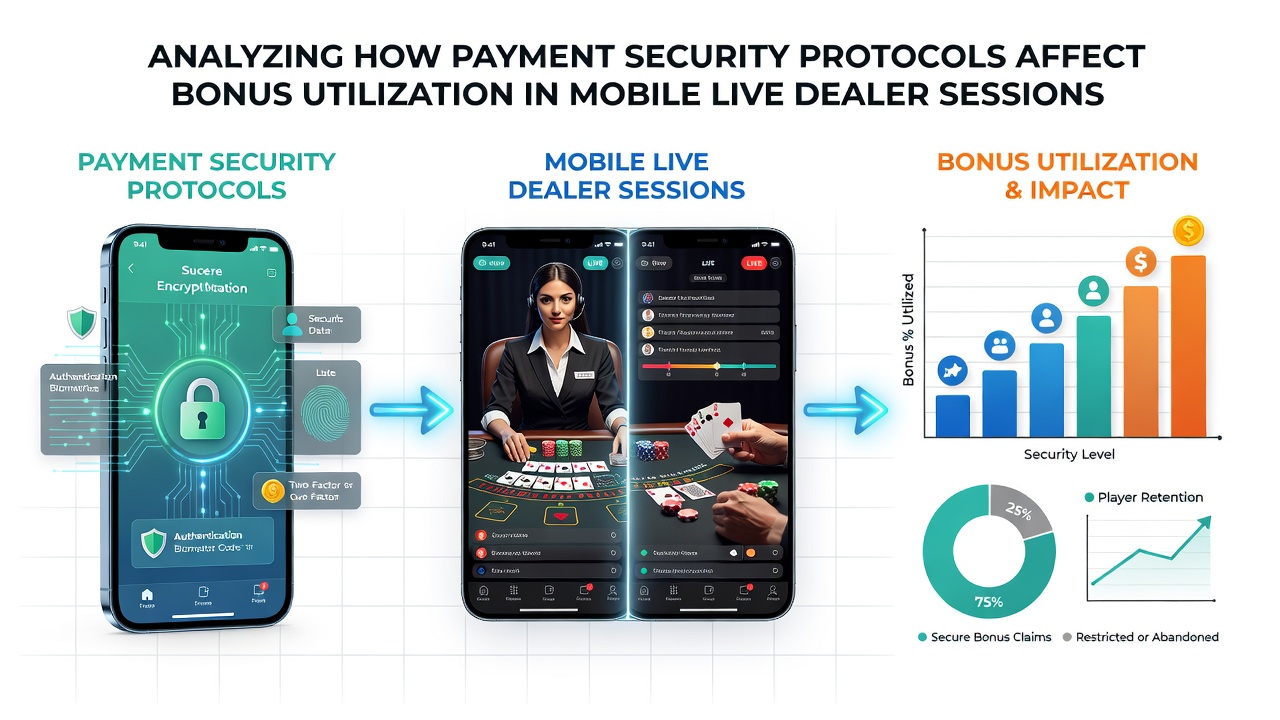
Studies show that platforms integrating risk-scoring algorithms adjust authentication intensity based on player history, which sometimes accelerates bonus processing for verified accounts while extending delays for new users. In August 2026 several operators introduced dynamic token refresh cycles that reduced repeat authentication prompts, leading to measurable improvements in bonus completion rates according to internal platform metrics. These adjustments illustrate how protocol tweaks directly influence whether players can fully deploy promotional credits before session timeouts occur.
Regional Regulatory Influences on Protocol Design
Regulatory frameworks across different jurisdictions dictate minimum security thresholds that affect bonus handling in mobile environments. Canadian provincial regulators, for example, require documented audit trails for every bonus transaction, which necessitates additional logging steps that lengthen verification sequences. European operators follow similar data-protection mandates that prioritize encryption strength over transaction speed, creating measurable differences in how quickly players can apply bonuses during live dealer rounds.
Industry organizations track these variations through comparative analyses, revealing that regions with stricter protocol mandates report lower average bonus utilization percentages in mobile segments. The resulting friction appears most pronounced in sessions involving progressive jackpot contributions, where security checks coincide with real-time bet placements and dealer interactions.
Technical Adjustments and Platform Responses
Developers respond to these constraints by embedding security functions directly into mobile applications, allowing background verification that runs parallel to live video streams. Such integration reduces user-visible interruptions yet still requires periodic re-authentication when bonus balances exceed preset thresholds. Figures from gaming analytics firms reveal that optimized implementations cut average authorization delays from 8.2 seconds to 3.7 seconds between August 2025 and August 2026, correlating with higher bonus conversion statistics across tested markets.
Case examples include operators that adopted seamless biometric options, which maintained security integrity while preserving session momentum in live dealer formats. These adaptations demonstrate that protocol design choices produce direct downstream effects on promotional credit deployment rates without compromising overall transaction safety.
Conclusion
Payment security protocols continue to evolve in response to regulatory demands and technological capabilities, directly shaping the practical experience of bonus utilization during mobile live dealer sessions. Data collected through 2026 shows consistent patterns where authentication layers influence transaction timing, credit availability, and completion rates across different game types and regional markets. Ongoing refinements in encryption methods and verification workflows indicate that future adjustments will further calibrate the balance between protection standards and seamless bonus application in real-time mobile environments.